
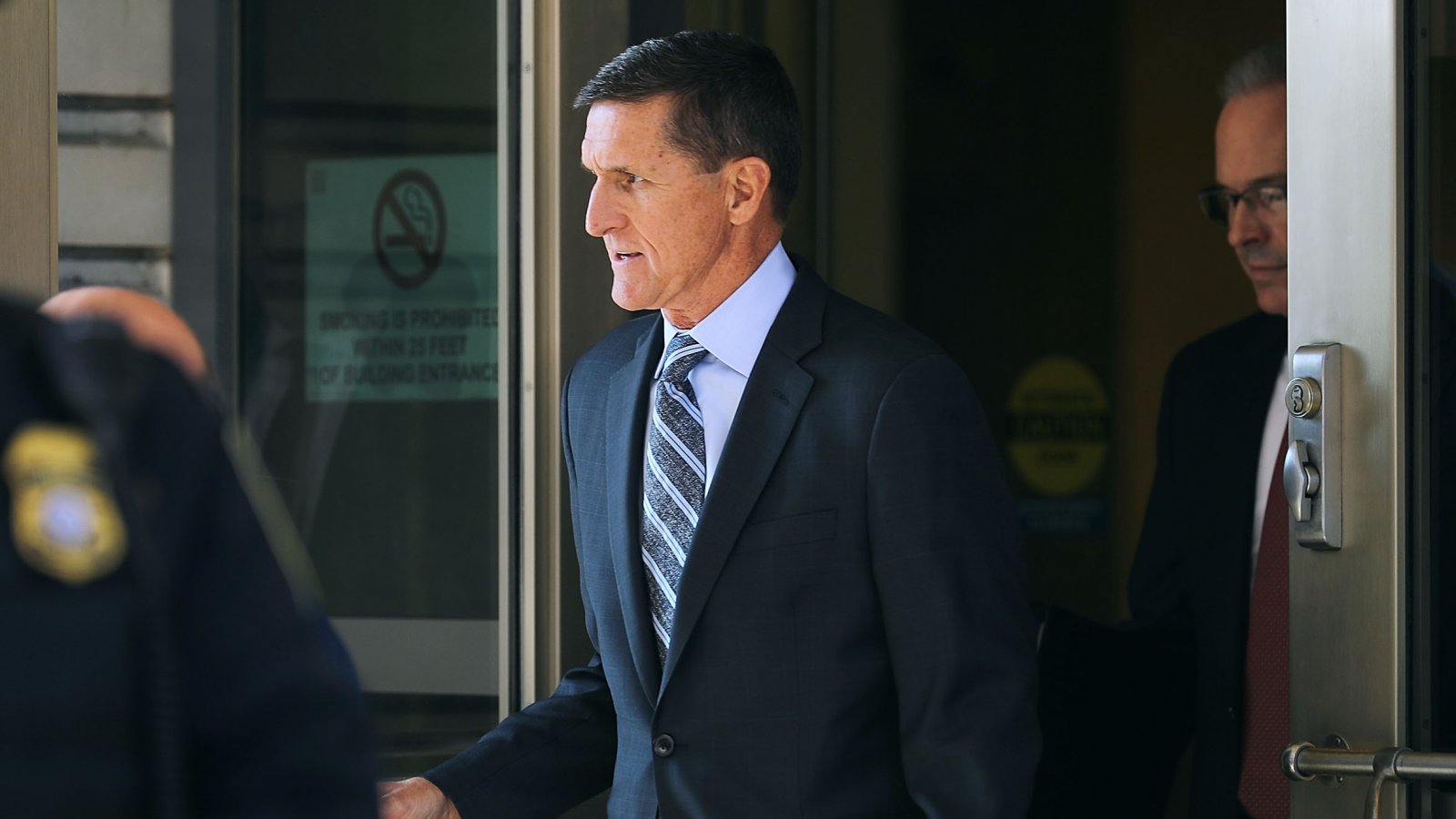
The New York Times, citing emails between Trump transition officials, says Michael Flynn was not acting alone when he spoke with Russian Ambassador Sergey Kislyak about U.S. sanctions against Russia:
While Mr. Trump has disparaged as a Democratic “hoax” any claims that he or his aides had unusual interactions with Russian officials, the records suggest that the Trump transition team was intensely focused on improving relations with Moscow and was willing to intervene to pursue that goal despite a request from the Obama administration that it not sow confusion about official American policy before Mr. Trump took office.
The Times highlights communication by K.T. McFarland, who went on to become the deputy national security advisor under Flynn:
On Dec. 29, a transition adviser to Mr. Trump, K. T. McFarland, wrote in an email to a colleague that sanctions announced hours before by the Obama administration in retaliation for Russian election meddling were aimed at discrediting Mr. Trump’s victory. The sanctions could also make it much harder for Mr. Trump to ease tensions with Russia, “which has just thrown the U.S.A. election to him,” she wrote in the emails obtained by The Times.
It is not clear whether Ms. McFarland was saying she believed that the election had in fact been thrown. A White House lawyer said on Friday that she meant only that the Democrats were portraying it that way.
McFarland knew Flynn would be speaking with Kislyak, and in another email to Thomas P. Bossert, now serving as homeland security adviser, McFarland wrote it was important to keep an eye on Russia's response.
Mr. Bossert forwarded Ms. McFarland’s Dec. 29 email exchange about the sanctions to six other Trump advisers, including Mr. Flynn; Reince Priebus, who had been named as chief of staff; Stephen K. Bannon, the senior strategist; and Sean Spicer, who would become the press secretary.
(...)
Mr. Obama, she wrote, was trying to “box Trump in diplomatically with Russia,” which could limit his options with other countries, including Iran and Syria. “Russia is key that unlocks door,” she wrote.
She also wrote that the sanctions over Russian election meddling were intended to “lure Trump in trap of saying something” in defense of Russia, and were aimed at “discrediting Trump’s victory by saying it was due to Russian interference.”
“If there is a tit-for-tat escalation Trump will have difficulty improving relations with Russia, which has just thrown U.S.A. election to him,” she wrote.
Mr. Bossert replied by urging all the top advisers to “defend election legitimacy now.”
According to the Times, it is not clear how much President Trump knew about Flynn's conversation with Kislyak. And while his schedule indicated he likely would have been directly involved, White House lawyer Ty Cobb claims the president was out of the loop:
Mr. Spicer told reporters on the morning of Dec. 29 that the president-elect would be meeting with his national security team, including Ms. McFarland, that day. A phone call that included Mr. Trump, Mr. Flynn, Ms. McFarland, Mr. Priebus and Mr. Bannon was scheduled for 5 p.m., shortly after Ms. McFarland’s email exchange. It is unclear whether the call took place.
Mr. Cobb said that Mr. Trump did not know that Mr. Flynn had discussed sanctions with Mr. Kislyak in the call. After the inauguration, “Flynn specifically denied it to him, in the presence of witnesses,” he said.
Read more: Emails Dispute White House Claims That Flynn Acted Independently on Russia (NYT)