
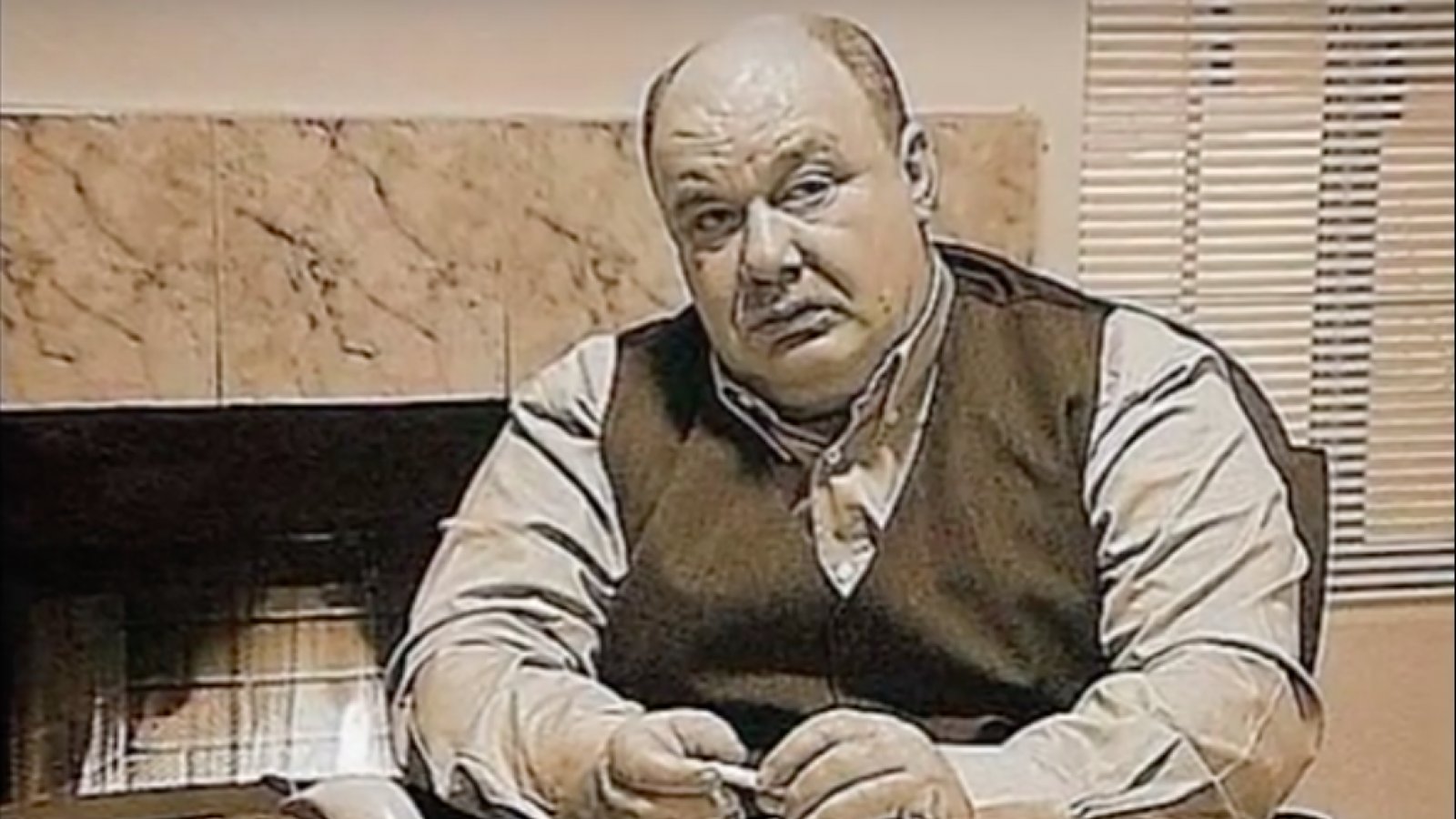
Author Craig Unger, in an article for Just Security, offers even more information on DOJ attorney Bruce Ohr's history exposing Russian organized crime and why Donald Trump has taken such a significant personal interest in attacking a non-public figure.
Ohr’s job in the Justice Department involved facing off against Russian crime boss Semion Mogilevich whose operatives have been using Trump branded properties to launder millions of dollars for more than three decades. If the FBI’s investigations turn toward Trump’s ties to Russian organized crime, which is entirely foreseeable, the president may be interested in trying to delegitimize those efforts as he has attempted with other aspects of special counsel Robert Mueller’s probe. What the public should also understand is how Mogilevich has served as an agent for Vladimir Putin’s efforts in the United States and abroad.
If one tracks Trump’s ties to Russia, the name Mogilevich pops up more than any single name, beginning in 1984 when alleged Mogilevich operative David Bogatin bought five condos in Trump Tower for $6 million in cash. Over the years, no fewer than 1,300 Trump-branded condos were sold in all cash purchases to anonymous shell companies—the two criteria that set off alarm bells among anti-money laundering authorities. In 2002, after Trump had gone belly up in Atlantic City, Bayrock, a real estate development company that allegedly had ties to Mogilevich, moved into Trump Tower and partnered with Trump—in the process bailing out the bankrupt real estate mogul and putting him in a position to eventually run for the presidency.
Unger, like The Atlantic's Natasha Bertrand, points out Trump also has been attacking other DOJ employees with Russian money laundering and organized crime expertise.
Last September, former FBI lawyer Lisa Page was fired from her position on Mueller’s probe into the Trump-Russia scandal after anti-Trump text messages exchanged between her and Peter Strzok came to light. (Strzok, a member of Mueller’s team with whom Page was having a relationship, was also fired.) However, little attention was paid to what may well be the most interesting item on Page’s resume—her considerable experience prosecuting money laundering cases involving Russian organized crime, including working with the FBI’s task force in Budapest to prosecute a money-laundering case against Dmitry Firtash, the Ukrainian oligarch who partnered with both Paul Manafort and Semion Mogilevich.
(...)
In sum, a key to understanding Trump’s relationships with Russia goes through organized criminal syndicates. As I report on all this information and more in House of Trump, House of Putin, unlike the American Mafia, Russian mobsters operate as de facto state actors, with high-ranking crime bosses like Mogilevich working with and at the behest of Putin. All of which raises the question of whether Trump, by coming down on Ohr and perhaps also Page, is trying to keep the real story behind his many ties to Mogilevich operatives from unraveling.
Understanding Trump vs. Bruce Ohr: Think Russia’s top crime boss, Semion Mogilevich (Just Security)