
UPDATE: BuzzFeed News:
Ellis did not rule on the motions to suppress on Friday. Manafort has argued that the initial, warrantless search of the storage unit — agents later obtained a search warrant to do a more thorough search and to seize evidence — was unlawful; Mueller’s office contends it was valid because they had permission to go in from Alexander Trusko, a former Manafort employee listed as the occupant of the unit on the lease.
[Manafort’s lawyer Thomas] Zehnle asked if Trusko had only signed the lease because Manafort was not available to do so. Pfeiffer replied that he could not speak to the reason, but he did acknowledge writing in his search warrant application that Trusko had said he performed duties for Manafort and his companies at Manafort’s direction.
On the home search issue, Manafort is arguing that the search warrant was too broad and that investigators had failed to explain at the outset why they reason to believe there would be evidence on various electronic media devices that they seized.
Looking ahead to the trial next month, Ellis denied a request by the government to have prospective jurors fill out a written questionnaire that included questions about what they had heard about the case and what they thought about Mueller. Ellis, who has sat on the court since 1987, said he had done enough trials to conclude that written questionnaires weren’t necessary for a case like this. He said he expected most jurors would have heard about the case — he said he would ask the questions and make a judgment about whether a juror could be fair and impartial while “looking at them.”
Ellis did say that he would keep questions as focused on the case as possible — he would not ask jurors who they voted for, for instance, he said.
Ellis said he expected to keep the trial date in place, barring a personal need to reschedule
Paul Manafort Is Running Out Of Options To Stop A Trial From Starting Next Month (BuzzFeed News)
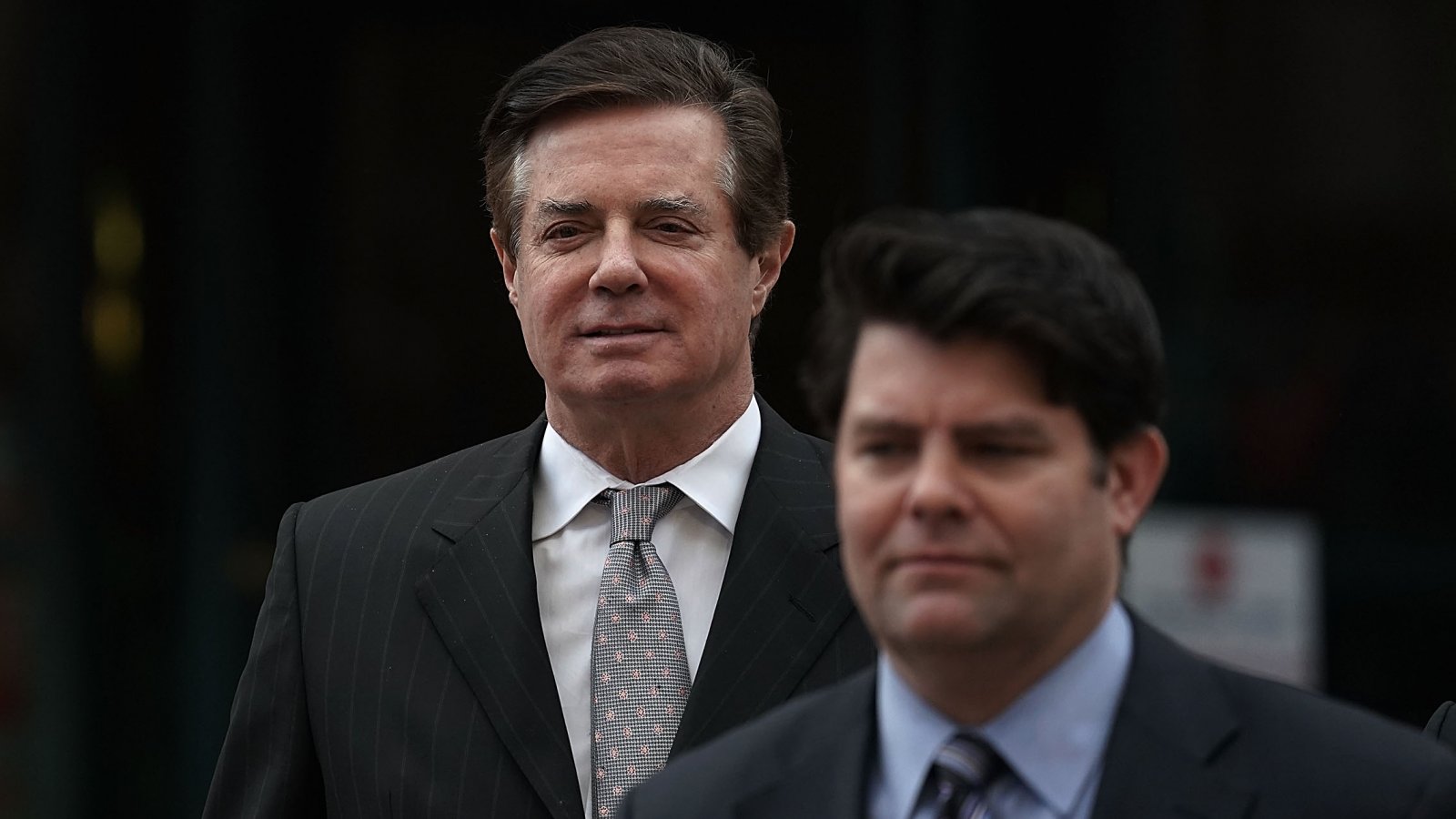
Judge T.S. Ellis presided over a pretrial hearing for Paul Manafort Friday, reviewing requests from both prosecutors and defense attorneys in preparation for a July 25th trial.
He rejected the Manafort team's request for a hearing on alleged grand jury leaks.
The judge eventually said he’d consider a motion to change the venue for the trial, perhaps to Richmond or Roanoke, if defense attorneys mde one. He gave them until next Friday to do so.
CNN explains the other issues under consideration:
- The real fireworks may happen as prosecutors describe sweeping Manafort's Alexandria condominium and storage unit last year. Manafort has said those searches violated his Fourth Amendment protections against unreasonable searches and seizures. Ellis will have to decide whether to throw out the evidence. A federal judge in DC already told the prosecutors they could use this material for the Washington trial, in which Manafort faces charges of conspiracy to launder money, foreign lobbying violations and witness tampering. Earlier this week, prosecutors preparing for Ellis revealed many more details in those warrants, largely about how closely Manafort's finances were tied to the Russian oligarch Oleg Deripaska and Ukrainian politicians whom the FBI believes are corrupt. The warrants describe how Manafort fell millions of dollars into debt, both to Deripaska years ago and while he worked for Donald Trump's campaign in 2016 and allegedly hid money in shell companies and foreign accounts.
- Both Manafort and special counsel Robert Mueller's prosecutors would like to prevent a jury from hearing about Manafort's work for Trump. While the prosecutors fear Manafort's team might accuse them of singling him out because of Trump, Manafort also wants to stay far away from politics during the trial. Ellis will weigh in.
- In general, both sides agree the 12 jurors plus alternates shouldn't be allowed to consume news while deciding the case. To pick a jury, the legal teams want to send dozens of potential jurors questionnaires that probe their financial histories and whether they have ties to Ukrainians or the special counsel's office. There isn't disagreement between the two sides, but Ellis still has to sign off and could tweak the jury paperwork.
- Ellis is likely to check in on the progress that's been made in combing through the evidence before trial. In particular, he's likely to ask about the amount of evidence prosecutors have turned over to the defense team.
- What will Ellis say about the accusation that Manafort attempted to contact witnesses this year? Though the federal judge in DC overseeing his case there revoked his bail, prosecutors told Ellis what happened. This judge had previously ordered Manafort not to contact "directly or indirectly" any potential witnesses or victims in the case.
FBI special agent Jeff Pfeiffer testified Friday, making him the first live witness to appear before the court in the Manafort case. Prosecutors called him to address the issue of how the FBI got access to Manafort's storage unit.
In Friday's hearing, the FBI agent testified that Manafort assistant Alex Trusko told him he had moved records from Manafort's residence into the storage unit. Pfeiffer described Trusko as a person who "ran various errands and also drove Mr Manafort around."
Pfeiffer, who conducted the search of a storage locker, also testified that the FBI was tipped off to its existence by reporters.
Associated Press reporters met with DOJ and FBI officials last year so the reporters could tell law enforcement what they uncovered as they investigated Manafort's financial dealings and ask for information to supplement their reporting.
The April 2017 meeting between AP reporters and officials from the Justice Department’s Criminal Division and the FBI has been the subject of inquiries from congressional Republicans, who suggested it that it might have involved leaks to the media.
Pfeiffer, however, described the session as an opportunity for federal investigators to hear what The AP had discovered. The FBI agent said that the federal investigators rebuffed the reporters’ questions, at least most of the time.
Asked by prosecutor Uzo Asonye how the officials responded to the journalists’ queries, Pfeiffer said: “Generally, no comment.”
In response to an earlier question about how the agent became aware that Manafort used a storage locker for many of his business-related files, Pfeiffer said: “Either through my investigative efforts or through a meeting that occurred with reporters of The Associated Press.” Pfeiffer said a reporter mentioned the locker at the meeting, but the FBI agent was not sure whether that was the first time he’d heard of it.
A spokeswoman for the news service said on Friday that the goal of the meeting for the reporters was to learn more about the FBI’s investigation into Manafort. However, she confirmed that reporters did ask whether officials were aware that Manafort had a storage locker.
“Associated Press journalists met with representatives from the Department of Justice in an effort to get information on stories they were reporting, as reporters do,” AP spokeswoman Lauren Easton said in a statement. “During the course of the meeting, they asked DOJ representatives about a storage locker belonging to Paul Manafort, without sharing its name or location.”
Manafort Assistant Gave FBI Access to Storage Locker: Testimony (Reuters)
Associated Press may have led FBI to Manafort storage locker (Politico)
Here's what's on the docket for Paul Manafort's pretrial hearing (CNN)