
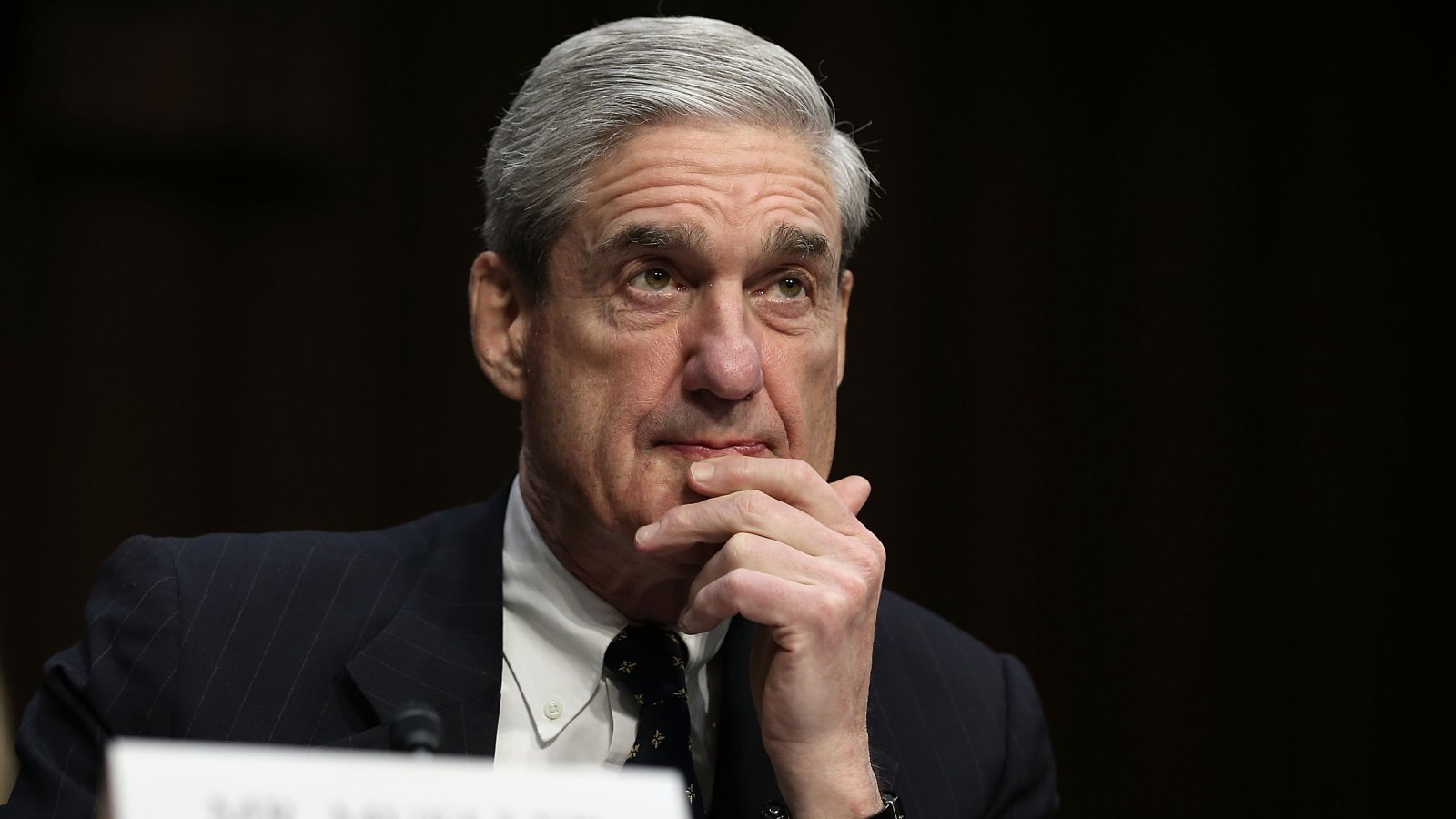
According to The Washington Post, Special Counsel Robert Mueller told President Trump's legal team in a meeting on March 5, 2018 that he could subpoena the president to testify before a grand jury should he refuse to sit down for an interview voluntarily.
Mueller’s warning — the first time he is known to have mentioned a possible subpoena to Trump’s legal team — spurred a sharp retort from John Dowd, then the president’s lead lawyer.
“This isn’t some game,” Dowd said, according to two people with knowledge of his comments. “You are screwing with the work of the president of the United States.”
The flare-up set in motion weeks of turmoil among Trump’s attorneys as they debated how to deal with the special counsel’s request for an interview, a dispute that ultimately led to Dowd’s resignation.
In the wake of the testy March 5 meeting, Mueller’s team agreed to provide the president’s lawyers with more specific information about the subjects that prosecutors wished to discuss with the president. With those details in hand, Trump lawyer Jay Sekulow compiled a list of 49 questions that the team believed the president would be asked, according to three of the four people, who spoke on the condition of anonymity because they were not authorized to talk publicly. The New York Times first reported the existence of the list.
(...)
Should Mueller seek to compel Trump’s testimony using a subpoena, a legal battle could ensue that could delay the investigation and force the issue into the courts, potentially to the Supreme Court.
Trump’s team could argue that Mueller was seeking information about the president’s private conversations that are protected by executive privilege or that a grand jury interview would place an unnecessary burden on the president’s ability to run the country.
Judges have generally held that the president is not above the law and can be subjected to normal legal processes — but the issue of a presidential subpoena for testimony has not been tested in court ...
(...)
Some legal experts believe that two Justice Department opinions prohibit federal prosecutors, including Mueller, from charging a president with a crime. Instead, they said, the Constitution relies on Congress’ power to impeach as the route to hold a president accountable for potentially criminal behavior.
Trump’s lawyers could then argue that he cannot be forced to testify under subpoena, unless his testimony is necessary to indict someone else.
Mueller raised possibility of presidential subpoena in meeting with Trump’s legal team (WaPo)