
The United States is not the only Western nation under Russian attack.
British officials say the Kremlin is actively working to undermine its elections and sow discord, and that over the past year, "Russian cyber operatives have attacked Britain's media, telecommunications and energy sectors."
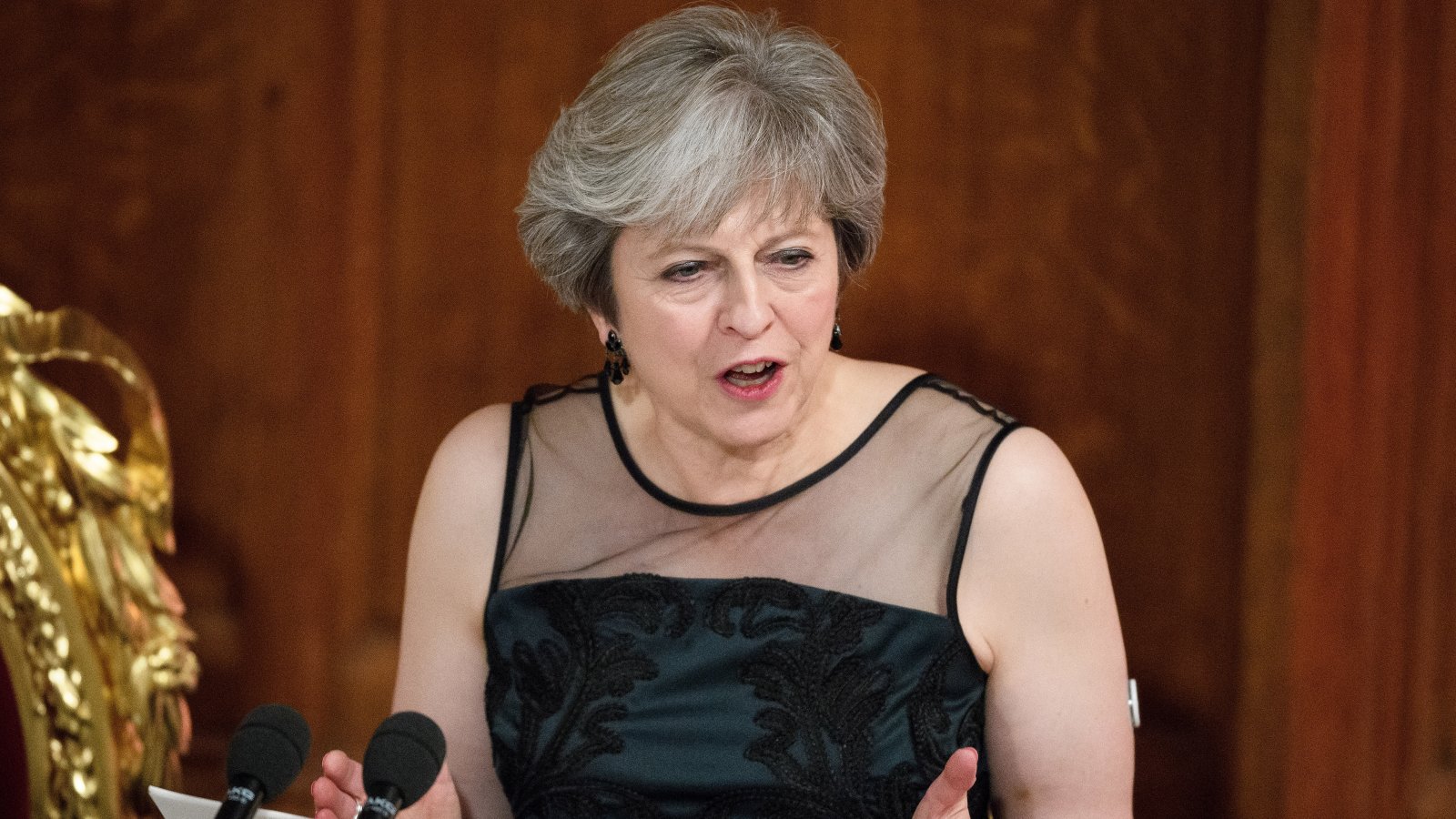
Prime Minister Theresa May, in a speech earlier this week, named specific Russian actions and issued a warning to president Vladimir Putin:
"Russia has repeatedly violated the national airspace of several European countries and mounted a sustained campaign of cyber espionage and disruption.
This has included meddling in elections and hacking the Danish Ministry of Defence and the Bundestag among many others.
We know what you are doing and you will not succeed. Because you underestimate the resilience of our democracies, the enduring attraction of free and open societies and the commitment of Western nations to the alliances that bind us."
In prepared remarked to be delivered Wednesday, Ciaran Martin, the head of Britain's main cyber defense agency, wrote, "I can confirm that Russian interference, seen by the National Cyber Security Centre over the past the year, has included attacks on the UK media, telecommunication and energy sectors."
At the same time, Researchers at the University of Edinburgh have discovered 419 fake Twitter accounts run by the Internet Research Agency (the same Kremlin-linked troll factory behind fake accounts and stories in the United States) that posted about Brexit and intentionally spread divisive and anti-Muslim content:
One of the accounts run from the Kremlin-linked operation attempted to stir anti-Islamic sentiment during the Westminster Bridge terror attack in March in a bogus post claiming a Muslim woman ignored victims – a claim that was highlighted by mainstream media outlets including Mail Online and the Sun.
While this particular study notes that most of the controversial posts on these specific Twitter accounts showed up after the Brexit vote and Putin has denied interference, a splintered European Union greatly benefits Russian interests:
An EU without Britain would be less united on sanctions against Russia, many Russian officials hoped, because it would lose one of its stronger foreign policy voices and would be too consumed with its own internal problems to prioritise Russia policy.
At the time, the former US ambassador to Russia, Michael McFaul, said the vote to leave the EU was “a giant victory for Putin’s foreign policy objectives”.
Read more:
Russia attacked energy, telecom and media in Britain, official says (Reuters)
Russia used hundreds of fake accounts to tweet about Brexit, data shows (The Guardian)
Theresa May accuses Vladimir Putin of election meddling (BBC)